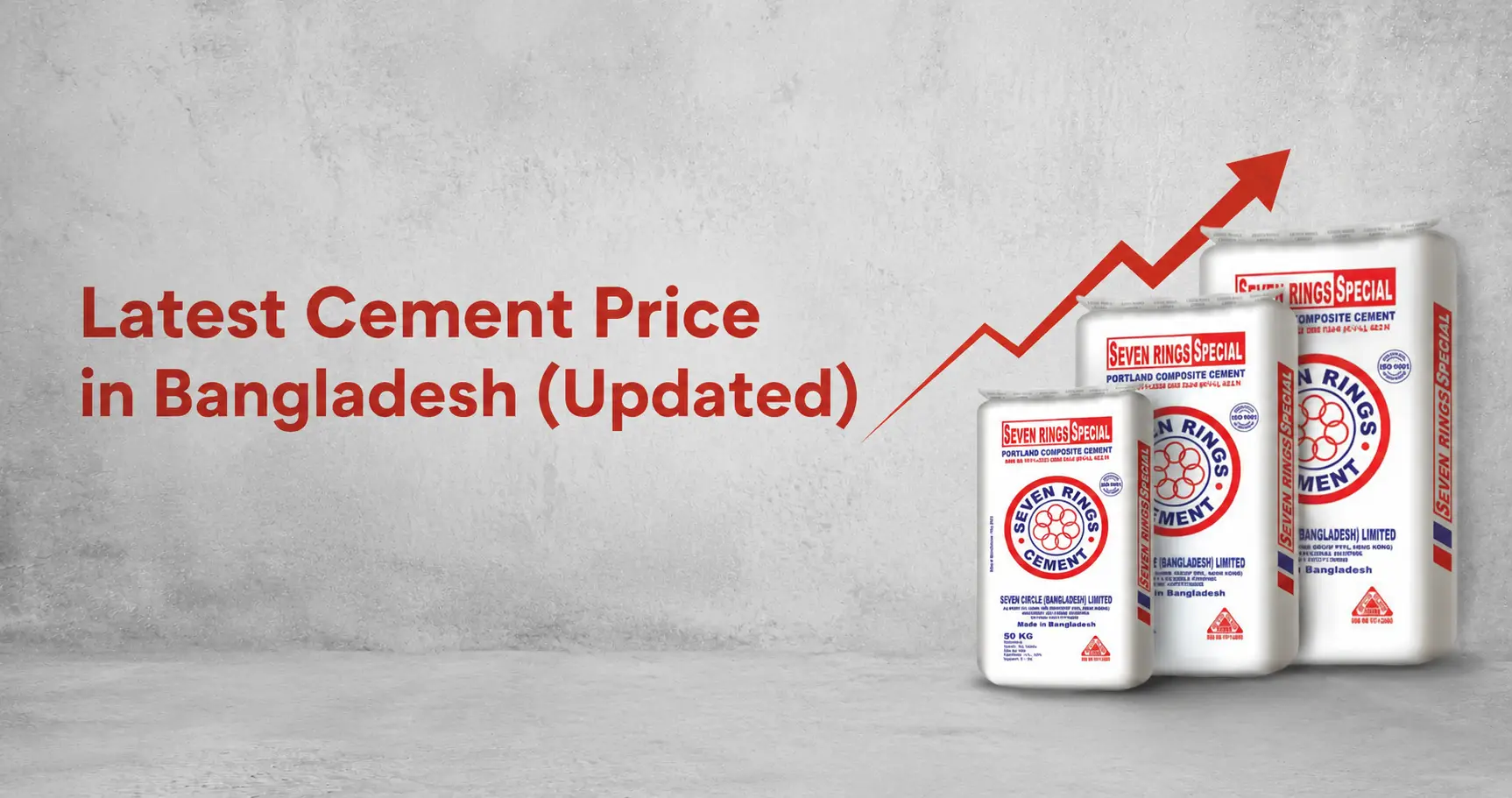
The cement industry in Bangladesh has quietly become one of the strongest pillars supporting the country’s rapid development. If you look around new flyovers, metro rail projects, residential towers, bridges, and highways, cement is everywhere. It’s the glue holding together Bangladesh’s ambition to become a middle-income and eventually developed nation. Cement will continue to play a critical role in shaping both urban skylines and rural connectivity.
Cement is not just another building material here; it’s a strategic commodity. Any fluctuation in cement price directly affects construction costs, real estate pricing, government project budgets, and even employment in related sectors. That’s why understanding the cement price in Bangladesh is crucial for contractors, homeowners, developers, and policymakers alike.
In this article, we’ll break down everything you need to know about cement prices in Bangladesh. From historical trends and key influencing factors to brand-wise expectations and future forecasts, this guide aims to give you a clear, practical, and realistic picture of where the market is heading. Whether you’re planning to build a house or invest in construction materials, you’re in the right place.
Current Cement Market Scenario (2024–2025 Recap)
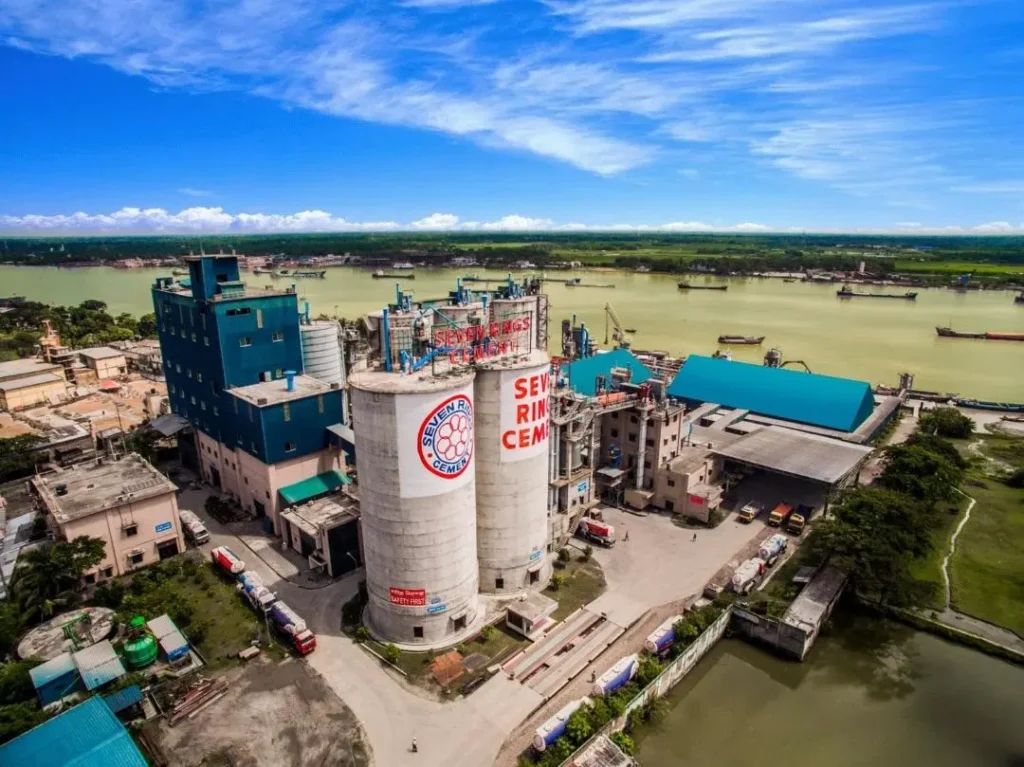
To understand where cement prices are heading in the upcoming days, we first need to look back at the immediate past. The 2024–2025 period was a mixed bag for Bangladesh’s cement industry, full of growth potential but also riddled with challenges.
Bangladesh currently has an installed cement production capacity of over 80 million metric tons per year, while estimated domestic demand is around 45–50 million metric tons annually. This gap highlights a significant overcapacity issue. While having excess capacity sounds like a good thing, it actually puts intense pressure on prices and profit margins. Manufacturers are forced into aggressive price competition just to keep their factories running.
Bangladesh imports the vast majority of its clinker and several other key raw materials for cement production, including clinker, limestone, gypsum, and fly ash. Any disruption in global supply chains, whether due to geopolitical tensions, fuel price hikes, or shipping bottlenecks, directly impacts local cement prices. The depreciation of the Bangladeshi Taka against the US dollar further increased import costs.
Despite steady demand from infrastructure and private construction, rising costs compressed profit margins, pushing manufacturers to prioritize efficiency over expansion, setting the context for cement pricing.
Types of Cement Available in Bangladesh
Not all cement is created equal, and the type you choose can significantly affect both cost and performance. In Bangladesh, the cement market primarily revolves around two main categories, with a few specialized options gaining traction.
Ordinary Portland Cement (OPC)
OPC is traditionally known for its high strength and faster setting time. OPC is preferred where high early strength is required, such as precast elements, industrial construction, and certain infrastructure projects. However, OPC is generally more expensive due to higher clinker content and energy consumption during production.
Portland Composite Cement (PCC)
PCC has become the most widely used cement in Bangladesh. It blends clinker with supplementary materials like fly ash or slag, making it more cost-effective and environmentally friendly. PCC offers better durability and a lower heat of hydration, which are well-suited to Bangladesh’s humid and coastal climate. PCC is expected to remain the dominant choice, keeping average cement prices relatively affordable.
Specialized cements, such as sulfate-resistant or low-alkali cement, are still niche products but may see increased demand as construction standards evolve.
Cement Price in Bangladesh
Based on current market trends, industry insights, and broader economic indicators, the average cement price in Bangladesh is projected to range between BDT 550 and BDT 650 per 50kg bag.
Prices vary depending on cement type:
- PCC: BDT 490–570 per 50kg bag. Economical and ideal for residential and general construction.
- OPC: BDT 525–610 per 50kg bag. Slightly higher due to greater clinker content and production costs, and more affected by raw material and fuel price changes.
(Note: Prices may vary depending on brand, location, dealer margin, and seasonal demand.)
Average Cement Price in Bangladesh (Historical Trend)
Looking at historical price trends provides valuable insights into future expectations. Over the past seven years, cement prices in Bangladesh have generally trended upward, with occasional short-term dips.
Between 2018 and 2020, cement prices remained relatively stable, averaging BDT 420–450 per 50kg bag. The COVID-19 pandemic initially reduced demand, but supply chain disruptions soon pushed prices upward. By 2022–2023, prices surged to BDT 500–550 per bag due to rising fuel costs and currency depreciation.
In 2024–2025, prices fluctuated within the BDT 520–580 range. Although demand growth slowed slightly, high import costs prevented any significant price drop. This historical pattern suggests that cement prices rarely fall sharply and tend to stabilize at higher levels once increased.
Factors Influencing Cement Prices
The cement price you see at your local shop depends on several practical factors that directly affect supply and production costs. Knowing these can help you plan your purchase better and avoid paying higher prices during peak periods.
- Imported Raw Materials: Bangladesh imports most of its clinker from countries like Vietnam and Thailand. When global prices increase or shipping becomes expensive, cement manufacturers face higher costs, which are passed on to buyers.
- US Dollar Exchange Rate: Since raw materials are bought in US Dollars, a stronger Dollar means factories spend more in Taka. Even small currency changes can noticeably affect cement prices.
- Electricity and Fuel Costs: Cement production uses a lot of gas, electricity, and fuel. If energy prices rise, manufacturers adjust cement prices to cover the extra expense.
- Government Infrastructure Projects: Large projects such as metro rail lines and bridges require huge amounts of cement. When demand rises suddenly, local supply tightens, and prices often go up.
By understanding these factors, you can better decide when to buy cement and potentially save money on your construction budget.
Popular Cement Brands in Bangladesh
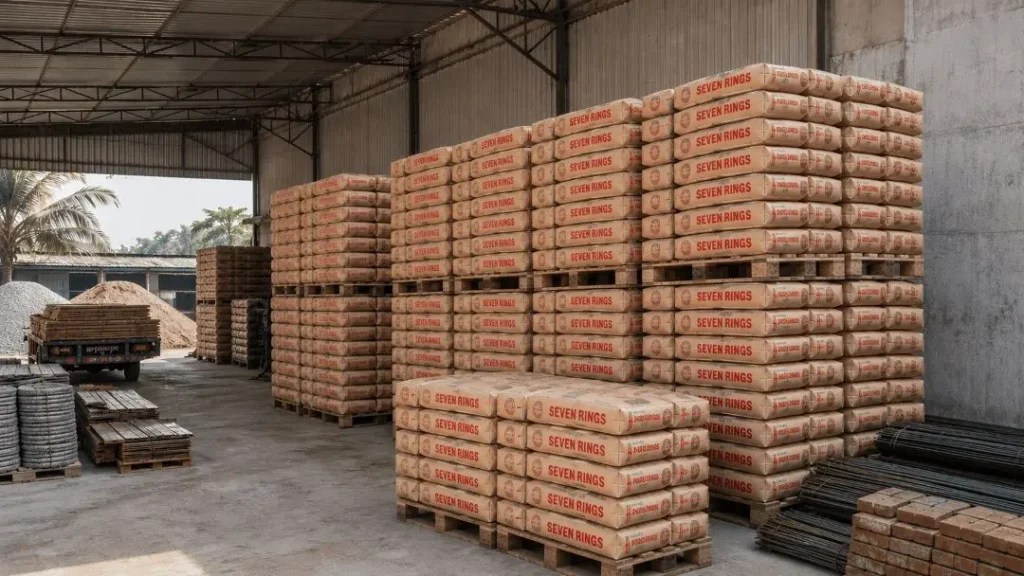
Bangladesh has a highly competitive cement market, with several well-established manufacturers supporting the country’s rapid infrastructure growth. Among them, Seven Rings Cement clearly stands out as a market leader, while other brands play important supporting roles depending on project needs.
Below is a restructured and neutral rewrite that gives primary emphasis to Seven Rings Cement without diminishing the relevance of other brands.
Seven Rings Cement (Industry Leader)
Seven Rings Cement stands as one of the most advanced and trusted cement brands in Bangladesh, renowned for its cutting-edge technology and consistent product performance. A key strength of the brand lies in its application in SCAC (Specialized Concrete for Advanced Construction) technology, which helps improve particle packing within the cement matrix. This technology enables cement particles to seamlessly fill microscopic voids in concrete, creating a denser and more impermeable structure that significantly enhances durability by reducing water penetration and dampness.
Given its advanced technology, Seven Rings Cement is ideally suited for a wide range of demanding construction applications.
Key Uses:
- Seven Rings Special: Perfect for high-rise RCC structures, columns, beams, and heavy slabs, where strength, durability, and precision are essential.
- Seven Rings Gold: Designed for pre-stressed concrete, bridge decks, and fast-track infrastructure projects that require rapid setting and superior performance under high-stress conditions.
Competitive Advantage:
With an impressive annual production capacity of 8.4 million metric tons across three strategically located plants, Seven Rings Cement is supported by Asia’s largest raw material trading network. This enables the brand to ensure consistent quality, reliable supply, and price stability, making it a trusted choice for large-scale construction projects throughout Bangladesh.
Other Notable Cement Brands in Bangladesh
While Seven Rings Cement leads in technology and structural reliability, several other brands are commonly used across different construction segments.
Shah Cement
Shah Cement, part of the Abul Khair Group, is one of the largest cement producers in Bangladesh. The brand has a significant presence in both residential and large-scale infrastructure sectors, contributing to key projects across the country. Its reputation for reliable performance makes it a preferred choice for demanding environments, including urban construction and government projects.
Bashundhara Cement
Produced by the Bashundhara Group, one of the largest business conglomerates in Bangladesh, Bashundhara Cement is widely used in various construction applications. It is recognized for its strong presence in both residential and industrial construction sectors, where it plays a crucial role in foundation work, roof casting, and structural applications.
Akij Cement
Akij Cement, from the Akij Group, is known for its versatility in meeting the demands of various construction needs. The brand serves a broad market, including both residential and industrial sectors, and has become a major player in large infrastructure projects, such as roads and buildings.
Crown Cement
Crown Cement, produced by M.I. Cement Factory Ltd., is one of the oldest and most well-established cement brands in Bangladesh. Known for its strength and durability, Crown Cement is widely used in both high-end residential projects and commercial buildings, as well as in large-scale infrastructure works like tunnels and roads.
Holcim
Holcim, a global leader in the cement industry, operates extensively in Bangladesh. The brand brings its international expertise to the local market, producing high-quality cement products suitable for both residential and large-scale infrastructure projects. Holcim focuses on sustainability and long-term durability in its product offerings.
Fresh Cement
Fresh Cement, manufactured by Meghna Group, is widely trusted in Bangladesh’s cement market. Known for its consistent quality and reliable supply, Fresh Cement is a popular choice for residential and commercial construction projects across the country.
Premier Cement
Premier Cement, a joint venture among several business groups, has quickly grown into one of Bangladesh’s fastest-growing cement brands. It is known for its consistent quality and dependable supply, making it a favored choice for a variety of construction projects, especially in medium-sized developments.
Tiger Cement
Produced by Western Engineering, Tiger Cement is recognized for its fast-curing properties and durability. It has become a solid presence in Bangladesh’s infrastructure sector, especially for projects that require quick setting times and long-lasting performance under heavy traffic conditions.
Anwar Cement
Anwar Cement, part of the Anwar Group of Industries, is a trusted name in Bangladesh’s cement industry. It is popular for its consistent performance in various construction applications, including both residential housing and specialized structures, such as boundary walls and coastal projects. Its reputation for strength and reliability makes it a preferred choice across a range of building types.
How to Choose the Right Cement?
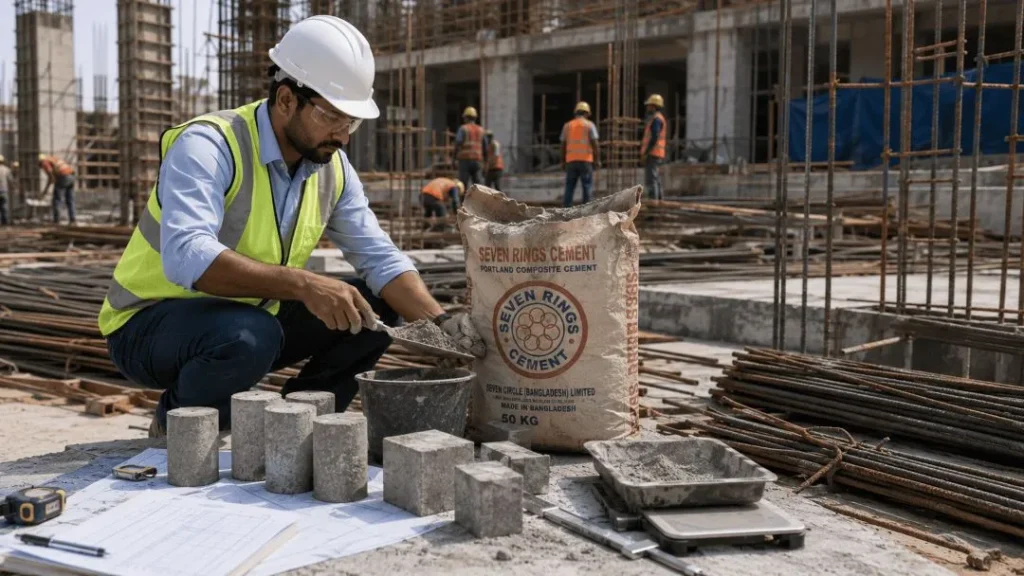
Choosing the right cement is critical to keeping your home strong and durable. Before accepting a delivery, a few simple onsite checks can help you avoid poor-quality or counterfeit cement.
- Check the Manufacturing Date: Cement loses strength over time due to air exposure. Always choose bags packed within the last 90 days. If a bag feels hard or unusually heavy, it has likely absorbed moisture and should be rejected.
- Verify Certifications (BSTI & ISO): Every cement bag should clearly show the BSTI seal. Reputable brands also carry ISO certifications, confirming quality, durability, and environmental standards.
- Fine Powder & Temperature Test: Rub a small amount of cement between your fingers; it should feel smooth, not gritty. When you put your hand inside a fresh bag, it should feel cool, not warm. Warmth indicates early hydration and reduced strength.
- Buy from Authorized Dealers: To avoid fake or re-bagged cement, always purchase from authorized dealers. Check for proper stitching on the bag; original factory stitching is tight and uniform.
- Don’t Compromise on Quality: Saving a small amount per bag can cost much more later. Cement makes up only a small portion of total construction costs, but determines the entire structural strength of your home. Low-quality cement often leads to cracks, dampness, and surface stains.
A careful selection today ensures long-term safety and fewer repair costs in the future.
Why Choose Seven Rings Cement?
Among the leading cement brands in Bangladesh, Seven Rings Cement is the best for its focus on advanced construction technology and long-term durability. One of its key strengths is the use of SCAC (Specialized Concrete for Advanced Construction) technology, which is designed to improve the overall performance of concrete structures.
This advanced manufacturing process uses micro-grinding techniques to grind the clinker into an optimal, finer particle size. These ultra-fine particles fill microscopic gaps within the concrete more effectively than standard cement, resulting in a denser and less permeable structure.
The outcome is stronger concrete with improved resistance to water penetration and environmental damage.
In Bangladesh’s humid and saline-prone climate, this added density is especially important. Moisture and salt can easily reach internal steel reinforcement in low-quality concrete, causing rust and weakening the structure over time.
Seven Rings Cement helps protect steel rods (rebar) from corrosion, significantly extending the lifespan of homes and buildings.
For homeowners and builders who prioritize strength, durability, and long-term safety, Seven Rings Cement remains a reliable choice.
Seven Rings Cement Product Range
Each product in the Seven Rings lineup is designed to meet specific engineering needs, ranging from everyday home plastering to the heavy-duty demands of mega-infrastructure projects.
- Seven Rings Cement (CEM II/B-M): A Portland Composite Cement made from clinker, gypsum, slag, fly ash, and limestone. Suitable for general construction, residential buildings, and durable concrete structures.
- Seven Rings Special (CEM II/A-M): Higher clinker content for enhanced strength. Ideal for RCC work, high-rise buildings, and demanding structural applications.
- Seven Rings Gold (CEM I): Made with 95–100% clinker for rapid strength gain. Best for high early strength work, pre-stressed concrete, and fast-track construction.
- Seven Rings Cement PPC (Export-Based): Portland Pozzolana Cement meeting Indian Standard IS 1489 (Part 1): 2015. Designed for mass concrete and long-term durability.
Cement Price Trend and Outlook
Cement prices in Bangladesh are expected to remain mostly stable in 2026, with small changes depending on demand and policy decisions. However, smart timing can help you save money.
- Best Time to Buy (June–September): During the rainy season, construction slows down, and dealers often offer discounts of 10–15 BDT per bag to clear stock.
- Avoid Peak Season (November–May): High construction activity during winter and early summer usually pushes prices up by 5–10%.
- Watch the National Budget: The budget is announced in June, and new taxes or duties can raise cement prices. Buying early can help you avoid sudden increases.
Planning your purchase wisely can reduce costs without affecting construction quality.
Conclusion
Cement prices in Bangladesh will reflect a complex mix of local demand, global market forces, and policy decisions. While prices are unlikely to fall dramatically, steady growth with periodic fluctuations is the most realistic scenario. For anyone involved in construction, staying informed is the best way to manage costs and plan effectively.
Frequently Asked Questions (FAQs)
1. What will be the average cement price in Bangladesh in 2026?
Expected to range between BDT 550 and BDT 650 per 50kg bag.
2. Which cement is best in Bangladesh for my house foundation?
For house foundations, high-quality OPC (Ordinary Portland Cement) from a reputable manufacturer is generally preferred where early strength is required. However, the final selection should follow the structural engineer’s specification.
3. Why is the white cement price in Bangladesh so high?
It is more expensive because it uses pure limestone and requires a specialized manufacturing process to achieve its bright white color.
4. How many days can I store cement at my construction site?
Ideally, within 60–90 days under proper storage conditions. After three months, the cement begins to lose its strength significantly due to moisture in the air.
5. Is there a difference between today’s cement price in Bangladesh and wholesale rates?
Yes, if you buy a full truckload (usually 150-200 bags), you can save about 10 to 20 BDT per bag compared to retail rates.
6. Can I use PCC cement for my roof casting?
Yes, PCC (Portland Composite Cement) is very common for residential roofs and offers excellent durability and resistance to dampness.
7. How can I identify a top cement company in Bangladesh?
Look for brands with ISO and BSTI certifications, a long history of serving mega projects, and a strong network of technical support engineers.
8. What should I do if my cement has small lumps inside?
Small soft lumps indicate slight moisture absorption. While such cement may still be usable for certain non-structural applications, fresh cement should always be used for structural concrete. Hard lumps indicate that the cement should not be used.
9. Why does the cement price in bd change so often?
Prices change because the factories depend on imported clinker and local fuel prices. When global shipping or local electricity costs rise, the price goes up.
10. How much cement is needed for 1000 square feet of roof?
The quantity depends on slab thickness, structural design, and concrete mix. Consult the structural drawings or use a concrete calculator for an accurate estimate.


